Buying a Home in the U.S.? 10 Real Estate Terms You Should Understand

If you are planning to buy a home in the United States, understanding the process can be just as important as finding the right property. For international buyers and those whose first language is not English, certain U.S. real estate terms can be confusing—especially when important financial and contractual decisions are involved.
Pre-approval, escrow, appraisal, closing costs, and closing are terms you will likely hear from the moment you begin exploring financing options until you finally receive the keys to your property. Understanding this basic vocabulary can help you ask better questions, understand the documents you receive, and participate more confidently throughout the home-buying process.
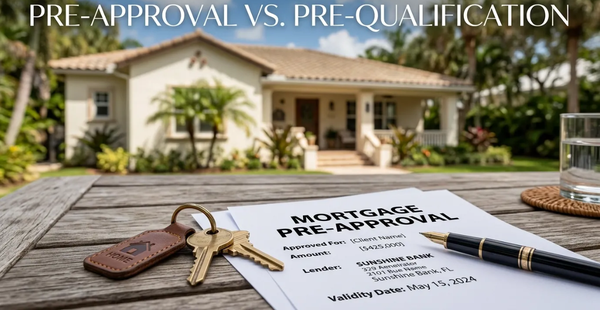
1. Pre-Approval. A pre-approval is an evaluation performed by a lender to determine how much they may be willing to lend you under certain conditions. Depending on the lender, the process may include reviewing your income, assets, debts, and credit history. A pre-approval letter can help establish your purchasing range and demonstrate to a seller that you have already taken steps toward obtaining financing. However, a pre-approval is not a final loan approval.
2. Down Payment. The down payment is the portion of the purchase price you initially pay with your own funds, while the remaining amount may be financed through a mortgage. For example, an $80,000 down payment on a $400,000 property represents 20% of the purchase price. The amount required depends on the loan program, your financial circumstances, and lender requirements.
3. Earnest Money Deposit. The Earnest Money Deposit (EMD) is a deposit made in connection with a purchase contract that demonstrates the buyer's intention to proceed with the transaction. These funds are generally held in escrow during the transaction and may be credited to the buyer at closing. If the transaction does not close, what happens to the deposit will depend on the contract terms and circumstances surrounding the cancellation.
4. Escrow. The word escrow can have different meanings depending on the stage of the transaction. During a purchase, it can refer to funds held by an authorized party according to the terms of the transaction, such as the Earnest Money Deposit. After closing, certain mortgages may include an escrow account used to collect funds for expenses such as property taxes and homeowners insurance.
5. Appraisal. An appraisal is a professional evaluation of a property's value. When financing is involved, a lender may require an appraisal to evaluate the home's value in relation to the requested loan. An important distinction for buyers is that an appraisal and a home inspection serve different purposes.

6. Home Inspection. A home inspection focuses on the physical condition of the property. An inspector may evaluate various components and systems and identify visible conditions that the buyer should know about. The inspection should always be considered together with the deadlines and provisions established in the purchase contract.
7. Closing Costs. Closing costs are expenses associated with the mortgage and real estate transaction. Depending on the purchase, they may include lender fees, appraisal expenses, title-related services, and other charges. Buyers should therefore prepare not only for the down payment but also for the additional funds that may be necessary to complete the transaction.
8. Interest Rate. The interest rate is the rate charged on the money you borrow and plays an important role in determining the cost of financing. It is different from the APR (Annual Percentage Rate), which incorporates the interest rate and certain additional charges to provide a broader measure of borrowing costs. Comparing financing options can be just as important as comparing properties.
9. Closing Disclosure. The Closing Disclosure is a five-page document used for certain mortgage loans that provides final information about the loan terms, projected monthly payments, and closing costs. When applicable, borrowers generally must receive it at least three business days before closing, providing time to compare it with the Loan Estimate and ask questions about unexpected differences.
10. Closing. Closing is the final stage of the real estate transaction, when the required documents are completed and the necessary steps are taken to finalize the purchase. In a financed transaction, this is also when the buyer completes documents related to the mortgage obligation. Before signing, review your documents carefully and ask questions about anything you do not understand.
You do not need to become a real estate expert to buy a home in the United States, but understanding the language of the transaction can help you make more informed decisions. From pre-approval to closing, every term represents an important part of your journey.
As a Realtor and Real Estate Broker Associate in Miami, my role goes beyond helping you find a property. I guide you through the process, help you understand each stage, and coordinate with the professionals involved so you can make informed decisions throughout your purchase.
An informed purchase is a strategic purchase.
Categories
Recent Posts








GET MORE INFORMATION