Escrow in Real Estate: What You Should Know Before Buying Property in Florida
 If you’re thinking about buying a property in Florida, there’s one word you’ll probably hear several times throughout the process: escrow. It may come up when you submit an offer, when you make your good-faith deposit, and again after closing if you’re purchasing the property with a mortgage.
Although the term can seem confusing at first, the concept is actually quite simple. In real estate, escrow is a mechanism through which certain funds are held and managed according to the terms and conditions of a transaction. In other words, the money does not simply pass directly from one party to another; it is held until it can be properly applied or released under the terms of the contract.
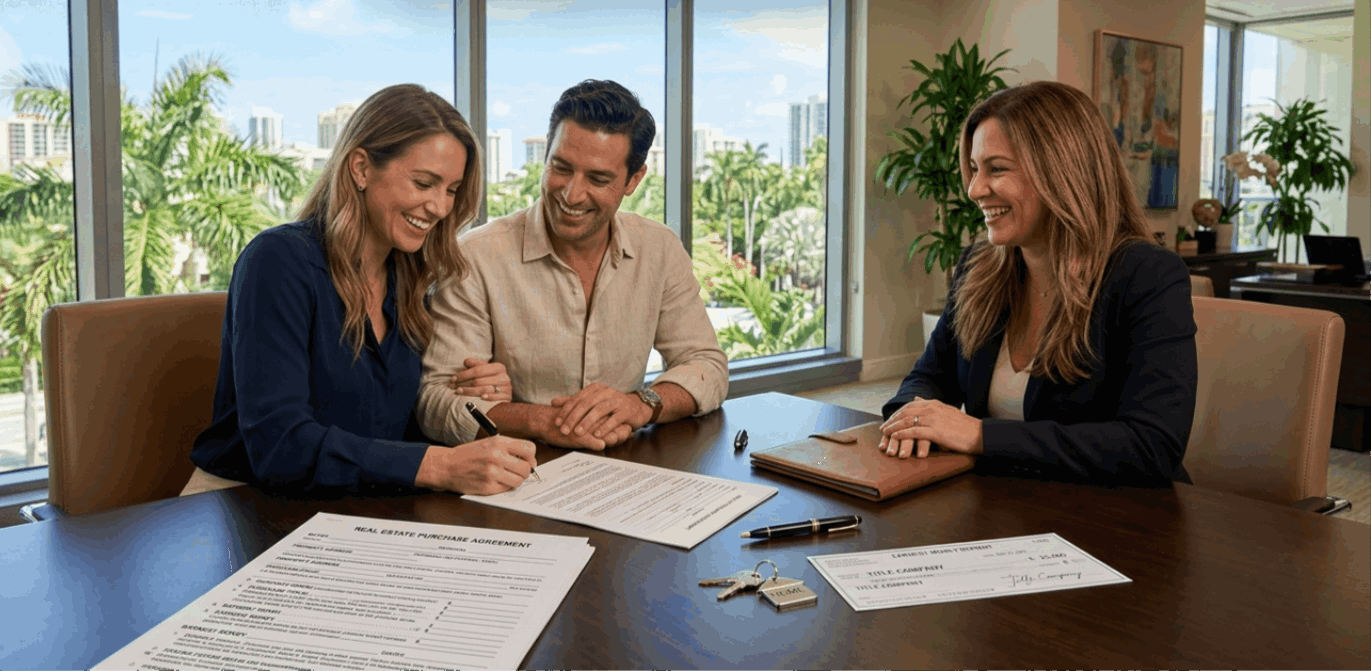
One of the first times a buyer encounters escrow is after an offer has been accepted. The purchase contract will typically establish an Earnest Money Deposit (EMD), also known as a good-faith deposit, which demonstrates the buyer’s intention to move forward with the purchase under the agreed-upon terms.
That deposit may be held in an escrow account while the transaction moves forward. If the purchase successfully reaches closing, the deposit is generally credited toward the buyer’s funds in the transaction. However, if the contract is canceled, what happens to that money will depend on the terms of the contract, applicable contingencies, deadlines, and circumstances surrounding the cancellation.
This is why, when I represent a buyer, I always emphasize something very important: knowing how much you’re offering for a property is only part of the equation. You also need to understand the deadlines and conditions in your contract, because they can have significant consequences for your deposit and the transaction itself.
Escrow May Continue After Closing
This is where the term can become confusing, because escrow may appear again after you purchase the property, but with a different purpose.
If you’re buying with financing, your lender or mortgage servicer may establish a mortgage escrow account. In this case, a portion of your monthly mortgage payment is set aside primarily to cover property taxes and homeowners insurance.
Instead of having to come up with a large amount of money when these expenses become due, you contribute toward them gradually throughout the year. Your mortgage servicer then uses the accumulated funds to make the appropriate payments when they are due.
This is also why the monthly cost of owning a home should not be evaluated based solely on the principal and interest portion of the mortgage. Your total housing payment may include principal, interest, property taxes, homeowners insurance, and, depending on the loan, mortgage insurance.
 Even if you have a fixed-rate mortgage, your total monthly payment can change. Property taxes and insurance premiums may increase or decrease over time, and mortgage servicers periodically review escrow accounts to determine whether the amount being collected is sufficient to cover those expenses.
Not every mortgage requires an escrow account. This will depend on the type of loan, financing terms, and lender requirements. If your loan does not include escrow, you will still be responsible for paying property taxes and insurance directly, which means planning ahead and having the necessary funds available when those bills become due.
Before closing, I also recommend carefully reviewing your Loan Estimate and Closing Disclosure. These documents can help you understand the costs associated with your financing, any initial escrow deposits, and which expenses may be included in your monthly mortgage payment.
And one important detail: don’t assume that every property-related expense will be included in escrow. For example, HOA (Homeowners Association) fees are generally paid separately.
Understanding the Process Is Part of Making an Informed Purchase
When you break it down, escrow can appear at two different stages of a real estate transaction. During the purchase, it may be used to hold funds such as your Earnest Money Deposit while the conditions of the contract are being completed. After closing, if you have financing, a mortgage escrow account may help you gradually set aside funds for property taxes and homeowners insurance.
Buying property in Florida isn’t only about finding the right home or negotiating a good price. It also means understanding your contract, knowing your financial responsibilities, and knowing how your money is handled throughout each stage of the transaction.
As a Miami Realtor and Real Estate Broker Associate, part of my role is guiding my clients—especially first-time Florida buyers and international buyers—through every step of the process, from the property search and negotiations to the contract, financing, and closing.
Thinking about buying a home or investment property in Miami or South Florida? Contact me to discuss your real estate goals. I’ll be happy to guide and advise you throughout the entire buying process.
Categories
Recent Posts





GET MORE INFORMATION