Miami Rental Market 2026: Why Are Rents Rising While Insurance Costs Fall?
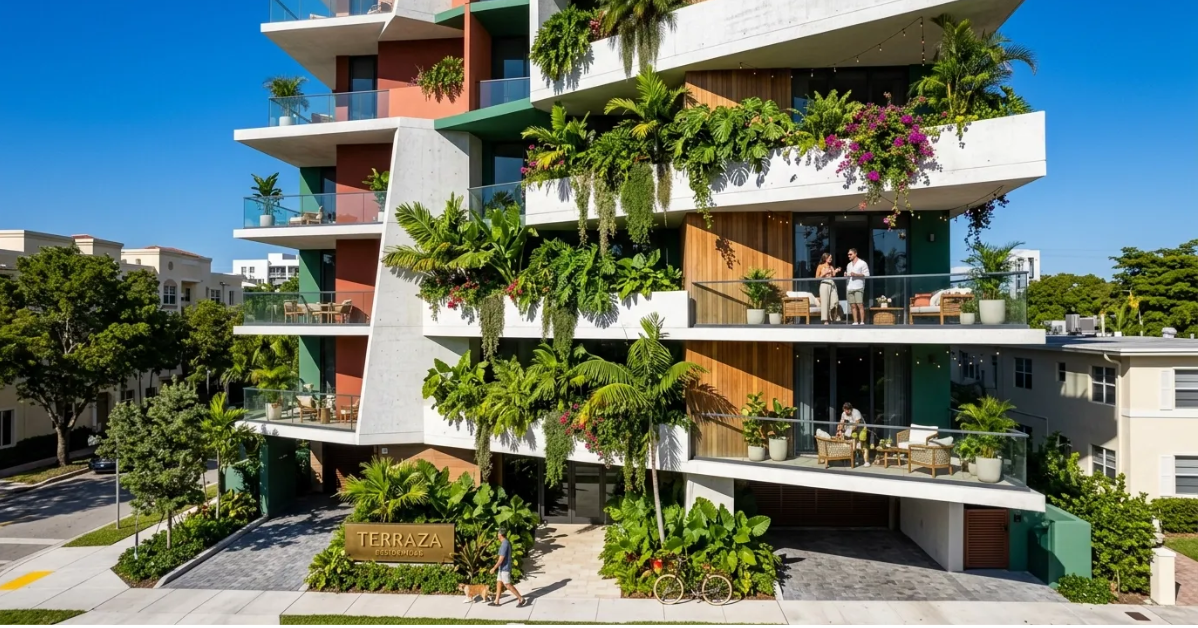 The Miami real estate market in 2026 continues to present interesting developments for property owners and investors. While asking rents are increasing in certain South Florida neighborhoods, some multifamily property operators are beginning to benefit from lower property insurance expenses. This combination could create new opportunities for investors seeking rental income and long-term financial growth.
According to a recent MIAMI REALTORS® report, asking rents in the Miami area increased by approximately 2% year-over-year in September 2026, with certain neighborhoods experiencing stronger growth. Meanwhile, property insurance expenses among the multifamily operators analyzed declined by approximately 16% compared to the previous year, offering potential relief after years of rising operating costs.
But what does this mean for property owners and those considering real estate investment in Miami?
Miami continues to attract professionals, families, entrepreneurs, and international investors thanks to its global connectivity, dynamic economy, and diverse lifestyle opportunities. Desirable communities such as Miami Beach, Coral Gables, and Downtown Miami remain attractive because of their strategic locations, infrastructure, employment opportunities, and access to essential services.
However, rental growth is not consistent across every neighborhood or property type. Location, property condition, amenities, competition, and available inventory remain essential factors in determining achievable rental prices. Setting a competitive rental rate requires understanding local market conditions rather than relying solely on broader trends.
Another important development involves property insurance costs in Florida. Over the past several years, rising premiums have created significant financial challenges for homeowners and real estate investors, directly affecting property operating budgets and investment returns.
 The approximately 16% reduction reported among the multifamily operators analyzed represents an encouraging development. However, this does not mean that every condominium, single-family home, or townhouse owner is experiencing lower insurance premiums. Insurance costs vary depending on location, property age, coverage, risk exposure, and individual policy conditions.
For investors, these changes reinforce the importance of evaluating a property's net rental income and overall investment performance, rather than focusing exclusively on monthly rental revenue.
Property taxes, insurance, homeowners association fees (HOA), maintenance expenses, financing costs, and potential vacancies can significantly influence profitability.
Understanding rental regulations and condominium restrictions is equally important. In Miami, rules governing annual leases, seasonal rentals, and short-term rental properties can vary depending on the building, homeowners association, and local municipality.
The MIAMI REALTORS® report also highlights growth in financing for residential rental properties during 2026, reflecting continued investor interest in the South Florida real estate market.
Miami offers opportunities across multiple property categories, including condominiums, townhouses, and multifamily buildings. However, an attractive rental rate does not automatically translate into a profitable investment, especially when operating expenses or rental restrictions affect potential returns.
Successful real estate investing requires accurate financial analysis, local market knowledge, and a clearly defined investment strategy.
Categories
Recent Posts







GET MORE INFORMATION