Is Now a Good Time to Buy Property in Miami Before the End of 2026?
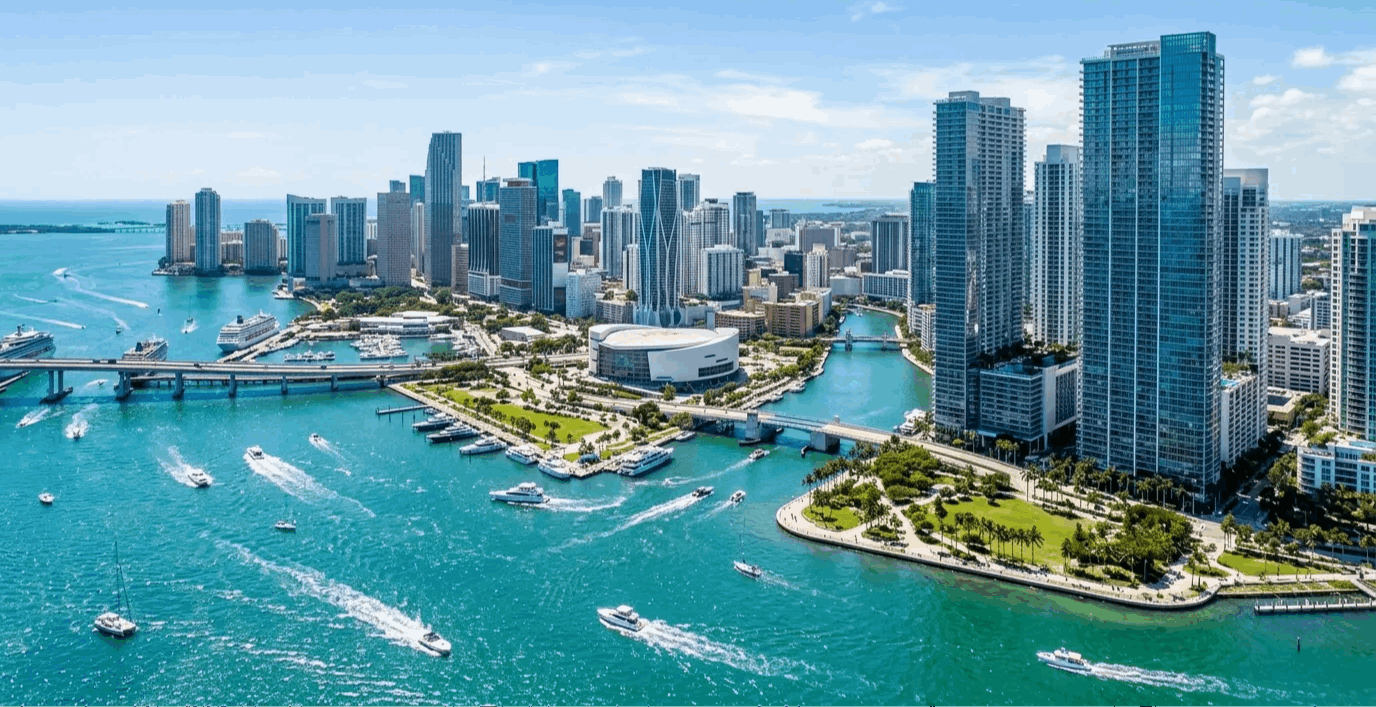 If you've been considering buying property in Miami, you've probably asked yourself an important question: Should I buy now or wait for home prices or mortgage rates to come down?
It's a reasonable concern, especially after the changes the real estate market has experienced over the past few years.
However, I always tell my clients: The best time to buy isn't necessarily when the entire market looks perfect. It's when the right property, your financial position, and favorable negotiating conditions come together.
As we approach the end of 2026, Miami may offer interesting opportunities for buyers and investors who understand where to look and how to negotiate.
What Opportunities Does Miami's Real Estate Market Offer?
Historically, fall has brought seasonal advantages for homebuyers. According to an analysis by Realtor.com, September 27 through October 3, 2026, was one of the most favorable weeks nationwide for buyers, with higher inventory, less competition, and softer seasonal listing prices.
For Miami, projections for that seasonal window suggested about 7% more available listings, 35.4% less competition than peak demand, listing prices about 3.7% below their seasonal peak, and homes spending about 14 additional days on the market.
While these seasonal estimates don't guarantee identical conditions for every property, they highlight an important opportunity: More properties to compare, additional time to evaluate options, and potentially greater negotiating leverage.
But every buyer should understand this: Miami isn't a single real estate market.
In August 2026, Miami-Dade recorded approximately 4.9 months of inventory for single-family homes, compared with approximately 12.1 months for condominiums.
This significant difference illustrates why every property requires an individual market analysis.
Buying a single-family home in Coral Gables, an oceanfront condominium in Miami Beach, a residence in Brickell, an investment property in North Beach, or a new construction development involves different financial considerations and market dynamics.
Understanding each neighborhood and property segment is essential to making a smart real estate investment.
Smart Buying Starts With Strategic Negotiation
One of the most valuable advantages of increased housing inventory is the opportunity to negotiate beyond the asking price.
When a property stays on the market longer, a seller may become more receptive to offers with terms that favor the buyer.
But successful real estate negotiation isn't just about lowering the purchase price.
 Depending on the transaction, buyers may negotiate seller concessions toward closing costs, permitted mortgage rate buydowns, condominium special assessments, repairs, furniture, closing timelines, and other contractual terms.
The objective isn't simply to ask, "How much can I reduce the price?"
It's about structuring the purchase to achieve the most favorable financial and contractual terms possible.
Mortgage rates remain another important consideration. Although higher borrowing costs have affected purchasing power, waiting indefinitely for lower rates can mean missing opportunities.
If mortgage rates decline significantly, more buyers could return to the market, potentially increasing competition.
That's why I encourage clients to evaluate the total cost of ownership, monthly payments, property taxes, insurance, association fees, and financing options, rather than focusing exclusively on interest rates.
For cash buyers, Miami offers another interesting dynamic. In August 2026, approximately 37.8% of closed sales were cash transactions, reflecting the important role of buyers who don't depend on mortgage financing.
A well-structured cash offer can be especially attractive to sellers because it reduces financing uncertainty and may allow for a faster closing.
However, paying cash doesn't mean paying any price.
Always evaluate comparable sales, days on market, property condition, condominium expenses, and seller motivation before determining the right offer.
Should You Buy Now or Wait Until 2027?
There is no universal answer, because every buyer has different goals, financial circumstances, and investment priorities.
The real question is whether a particular property offers the right opportunity for your personal or investment objectives.
Whether you're buying a primary residence, a vacation home, or looking to diversify your investment portfolio through Miami real estate, an informed decision takes more than watching market headlines.
Finding the right property is only part of the process. Evaluating its true value, understanding the risks, and negotiating favorable terms can make all the difference.
If you're considering buying or investing in Miami before the end of 2026, let's discuss your goals.
Categories
Recent Posts








GET MORE INFORMATION