Investing in Airbnb in Miami? What You Need to Know Before Buying
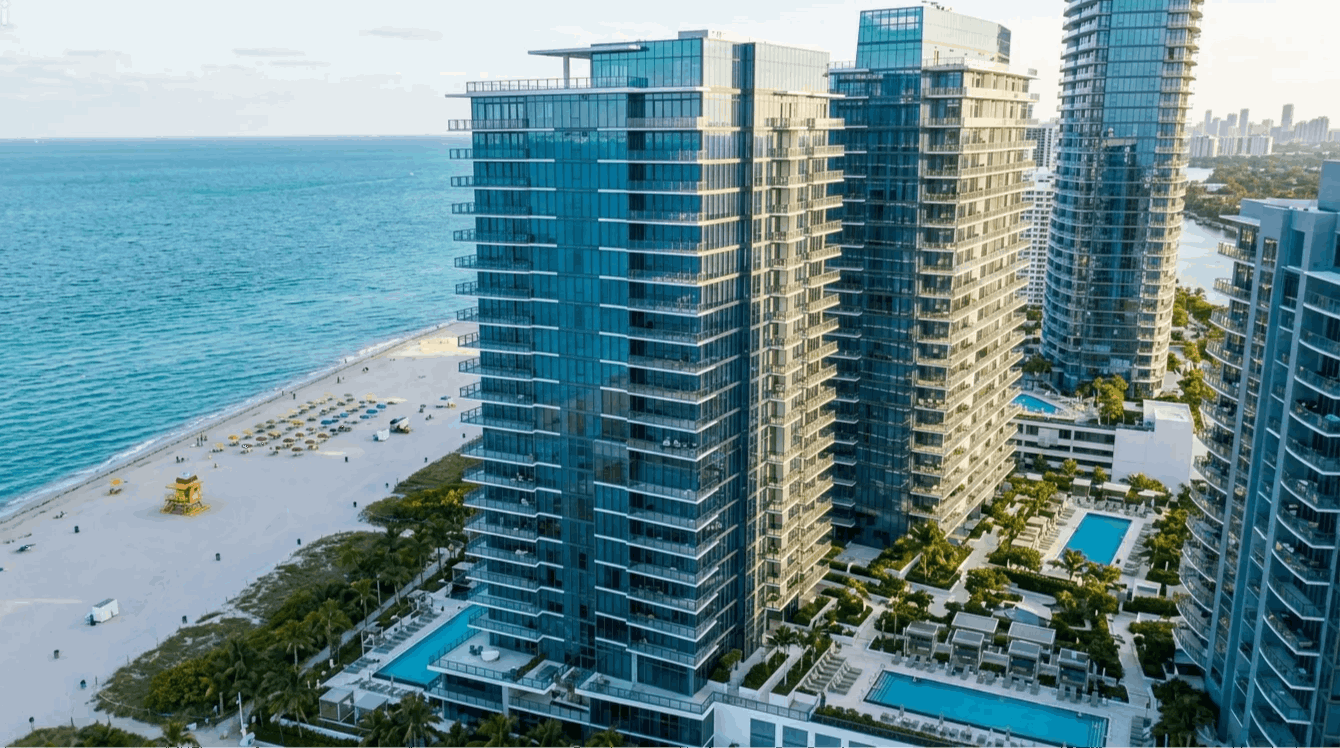 Investing in an Airbnb or short-term rental property in Miami can be an attractive opportunity for buyers looking to generate income in U.S. dollars, diversify their investment portfolio, and benefit from South Florida's tourism market. However, before purchasing, there is one essential factor every investor should understand: not every property in Miami allows short-term rentals, and a desirable location does not automatically guarantee a profitable investment.
Miami continues to attract international visitors, business travelers, and tourists drawn to its beaches, dining, entertainment, and lifestyle. This demand creates interest in vacation rental investment properties, but successful investing requires a careful evaluation of local regulations, operating expenses, and realistic income potential.
Before submitting an offer, one of the first steps is confirming whether the property can legally operate as a short-term rental. Regulations vary depending on the city and location. In condominium buildings, associations may impose additional restrictions regarding minimum rental periods, rental frequency, guest registration, and approval procedures. Investors must also verify applicable permits, licenses, registrations, and taxes at the state and local levels. A building advertised as short-term rental friendly does not necessarily mean owners can operate without additional requirements.
Another critical consideration is understanding the difference between gross rental income and net investment returns. Many buyers focus on potential nightly rates, but a sound investment analysis must include all relevant expenses: purchase price, financing, HOA fees, property taxes, insurance, property management, cleaning, maintenance, utilities, platform fees, and applicable taxes. Investors should also account for repairs, vacancy periods, and reserves for unexpected expenses.
Location plays an important role in a property's performance. An oceanfront condominium or a property near shopping, dining, and entertainment may appeal to different guest profiles, but it may also involve higher acquisition and maintenance costs. Evaluating estimated occupancy rates, average daily rental rates, seasonal demand, competing properties, and market trends is essential. Financial projections should reflect realistic scenarios rather than relying exclusively on optimistic revenue estimates.
 Investors should also understand the difference between traditional condominiums with specific rental restrictions and developments designed to offer greater flexibility for vacation rentals. Some projects provide professional management services or rental programs, while others require owners to manage operations independently. These differences can affect operating costs, financing options, and the overall investment strategy.
The most important question is not simply “How much can I charge per night?” but rather “What net return could this property generate after all expenses?”
A well-planned real estate investment begins long before signing a purchase agreement. The process starts by defining financial goals, verifying legal restrictions, and evaluating the numbers. Only then should buyers identify properties that truly align with their investment objectives.
As a Miami Realtor and Real Estate Broker Associate, my commitment is to guide you through this process, help you evaluate available opportunities, and make informed decisions supported by market knowledge and careful analysis.
Are you considering buying an Airbnb or short-term rental property in Miami? Let's discuss your investment goals and explore opportunities that align with your strategy.
Categories
Recent Posts






GET MORE INFORMATION